Shifts in Audio Layering Techniques Across Expanding Format Titles from Specialized Digital Providers
Erik Krüger · Oct 12, 2026
Shifts in Audio Layering Techniques Across Expanding Format Titles from Specialized Digital Providers
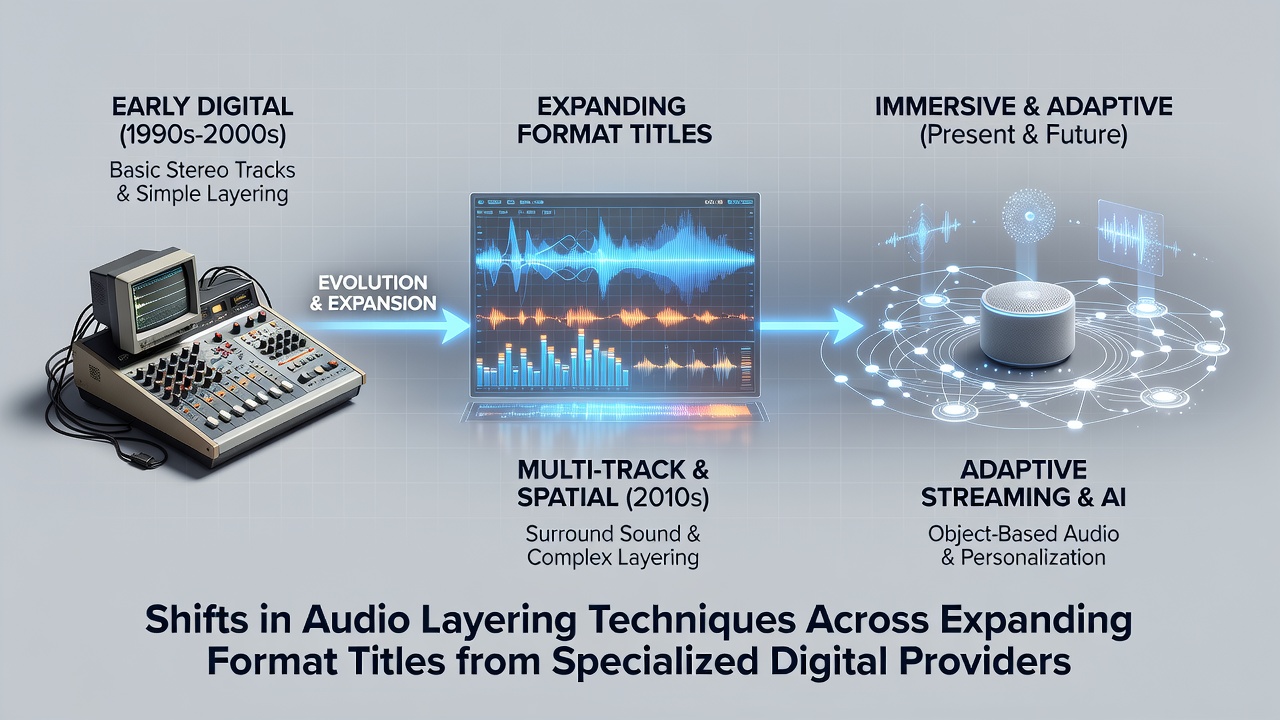
Specialized digital providers have adjusted audio layering techniques to match the demands of expanding format titles that feature variable reel structures and dynamic symbol arrangements. These adjustments involve stacking multiple audio tracks that respond to changes in game state, including reel expansions that increase the number of active positions on screen. Research indicates providers now integrate ambient loops with triggered sound effects that scale in complexity when additional rows or clusters activate during play sessions.
Core Components of Modern Audio Layering
Audio layering in these titles typically combines base music tracks with separate channels for symbol interactions, win notifications, and background ambiance. Data from industry reports shows providers separate these elements into independent layers so each can adjust volume, pitch, or timing without affecting the others when formats expand. For instance, a base music layer might maintain steady rhythm while a secondary layer introduces percussive hits that correspond to new symbol placements appearing on extended reels.
Those who study digital entertainment technology observe providers using middleware tools to manage these layers across multiple device outputs. This approach allows consistent playback on mobile and desktop platforms while accommodating the increased computational load from expanding mechanics that generate more simultaneous events. Figures reveal audio file sizes have grown as providers add higher resolution samples for each layer to maintain clarity during dense sequences of activations.
Adaptations in Response to Format Expansion
Expanding formats require audio systems to handle variable numbers of simultaneous triggers, which has prompted providers to develop conditional layering systems. These systems activate or mute specific audio elements based on the current reel configuration rather than using fixed sequences. According to technical documentation from game development platforms, conditional logic now governs transitions between layers, ensuring that audio density matches visual density when reels add rows or symbols cluster in new patterns.
One case involved providers testing layered audio during beta releases of titles with progressive expansion features, where initial layers focused on low-frequency tones that built toward higher frequency accents as expansions progressed. This method reduced audio overlap and preserved clarity even when dozens of symbols activated at once. Observers note the technique spread across several specialized providers by mid-2025, with further refinements appearing in updates scheduled around October 2026.
Technical Implementation Across Providers
Specialized providers employ different approaches to audio layering depending on their engine architecture. Some integrate real-time mixing engines that process layers on the client side, while others pre-render combinations and stream selected mixes based on game events. Research from gaming technology conferences indicates client-side processing offers greater flexibility for expanding formats because it can generate new layer combinations without requiring additional server calls during rapid reel changes.
But here's the thing: synchronization between audio and visual elements becomes more complex when reel expansions occur at irregular intervals. Providers address this by embedding timing metadata within each audio layer so the game engine can align sound cues precisely with symbol movements. Data shows this metadata-driven approach has reduced reported instances of audio-visual desync in titles released after 2024.
Regional Regulatory Influences on Audio Standards
Regulatory frameworks in various jurisdictions shape how providers implement audio features. The Australian Communications and Media Authority publishes guidelines on sound levels and accessibility that influence layering decisions for titles distributed in that market. Similar requirements from Canadian provincial bodies encourage providers to include adjustable audio options that let players control individual layers without altering core game functions.
Industry organizations such as the Gaming Standards Association have documented best practices for audio asset management in expanding titles. These documents emphasize modular layer design that supports future format updates without complete audio redesigns. Providers following these practices report smoother integration when introducing new expansion mechanics to existing game libraries.
Future Developments Expected by Late 2026
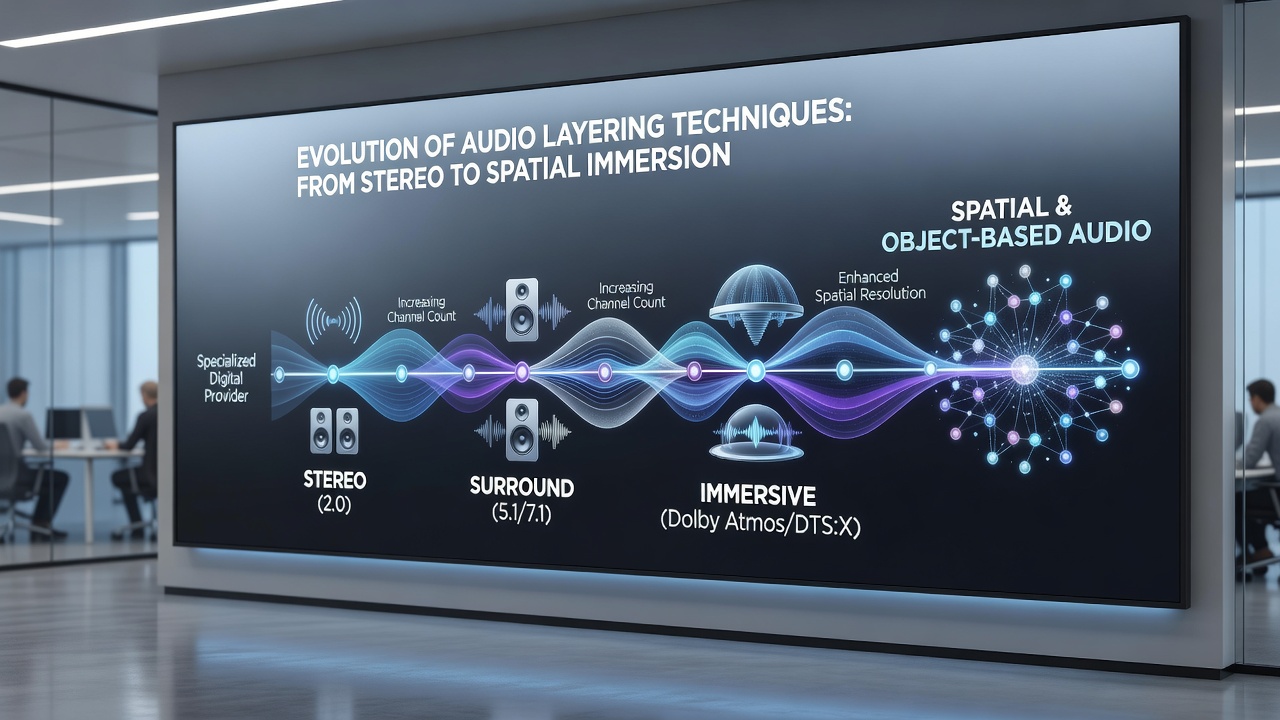
Developments planned for October 2026 include broader adoption of spatial audio techniques that position sound elements in three-dimensional space relative to on-screen action. This would extend current layering methods by adding directional information to each track, allowing audio to shift position as symbols expand across reels. Technical previews suggest these additions will require updated player hardware for full effect yet remain backward compatible with stereo output.
Conclusion
Shifts in audio layering reflect ongoing adaptation by specialized digital providers to the technical requirements of expanding format titles. Layer independence, conditional activation, and metadata synchronization represent established practices that continue to evolve alongside format innovations. Regulatory guidance and industry standards provide frameworks that support consistent implementation across regions while accommodating new technical capabilities expected in upcoming releases.